The WizardMark Trance
Welcome, The Wizard · Mark Trance
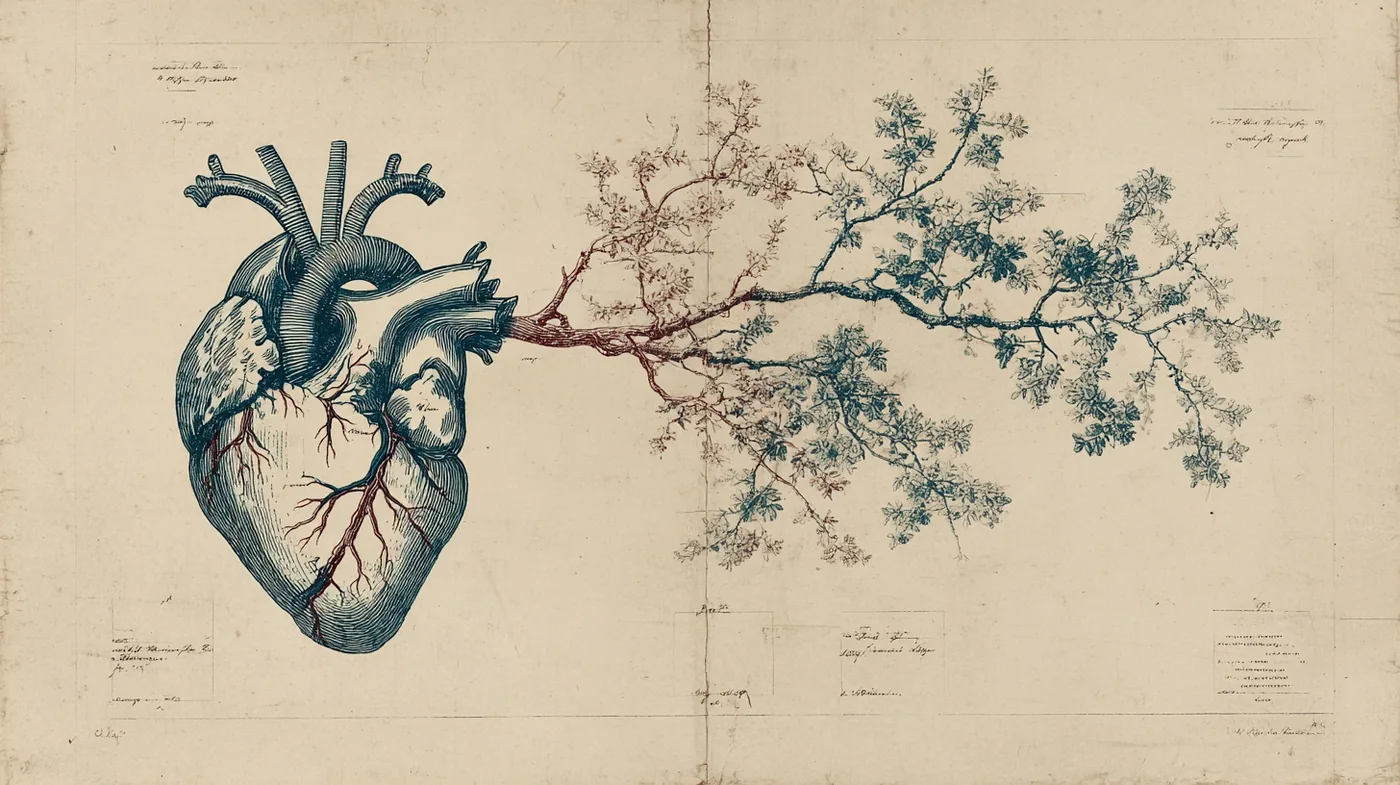
Anatomical heart transforming into branching tree vessels
orbit layer
THE

The Wizard’s Stent Decision Brief

A clear-eyed guide for Mark Trance.

Don’t decide from fear of pharma or fear of procedures. Ask whether there is a clear culprit blockage causing the heart attack.

If yes — especially with STEMI, unstable/high-risk NSTEMI, ongoing ischemia, shock, dangerous rhythm, or a high-risk artery — the evidence leans toward angiography and PCI/stent if indicated.

If not — medical management or a second cardiology opinion may be reasonable.

Dr. James Dahlgren, MD

Internist & Toxicologist · not a cardiology specialist

This isn’t my area of expertise, but stents are keeping people alive, and from everything I’ve read, it’s really the thing to do. It’s keeping a lot of people alive. If the muscle is broken down in the heart muscle, you’ve got to keep those arteries open so that you can rebuild the muscle and repair.
Scroll to continue

The clean comparison

Two Ways to See It

Skeptical lens vs. evidence lens. The danger is ideology in either direction.

Skeptical Lens

  • Not every blockage needs a stent.
  • Procedures and antiplatelet drugs carry real burdens and risks.
  • Ask for proof: culprit artery, risk level, and what happens with medical management alone.
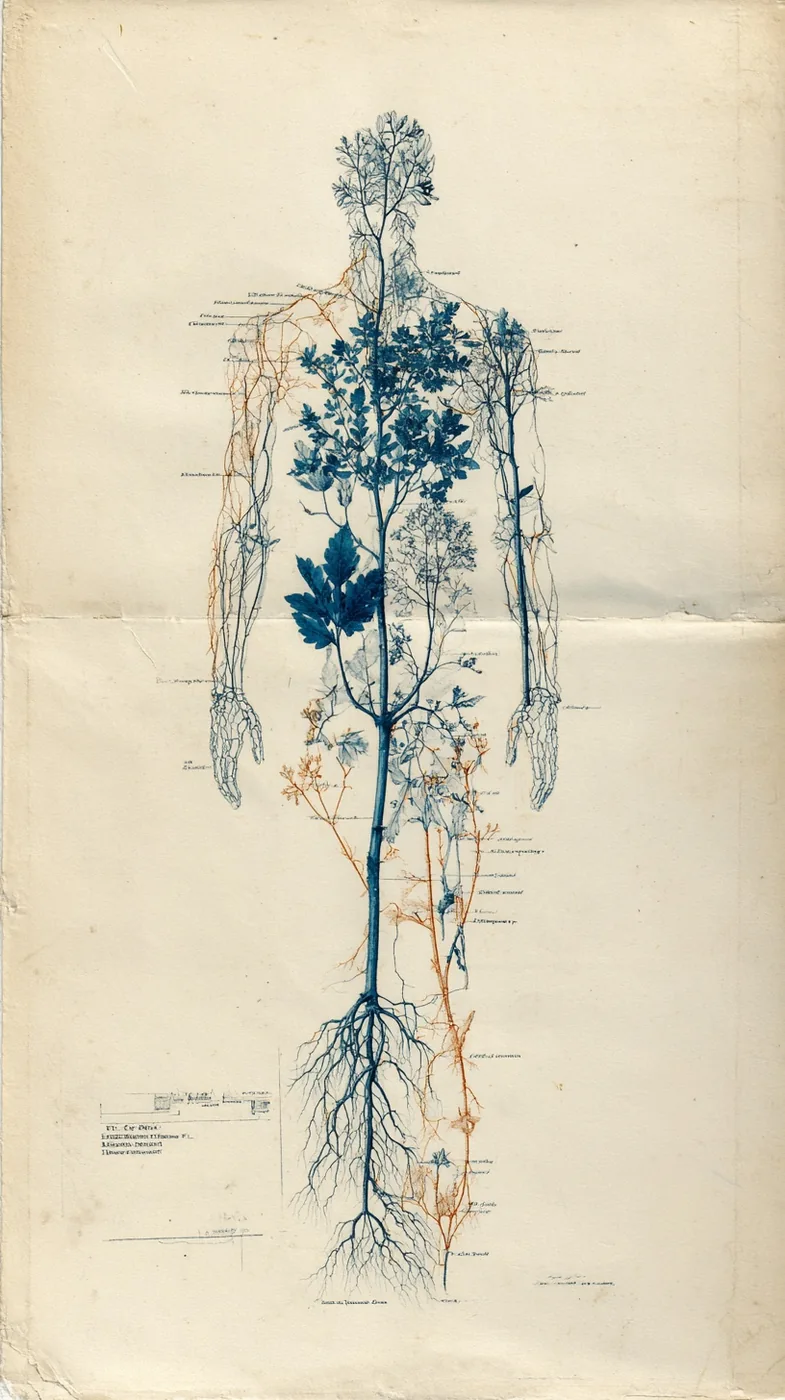
Heart with roots illustration

Evidence Lens

  • In STEMI or unstable/high-risk NSTEMI, urgent angiography and PCI/stent often improve outcomes.
  • Opening a culprit artery can preserve heart muscle and reduce recurrent ischemia.
  • Antiplatelet therapy is common after ACS; the length depends on the case and bleeding risk.
Magnifying glass illustration
“The danger is ideology in either direction.”

The anatomy of the choice

What the Stent Is Solving

Troponin shows injury. The stent decision comes from ECG, symptoms, anatomy, stability, and whether opening the artery changes the outcome.

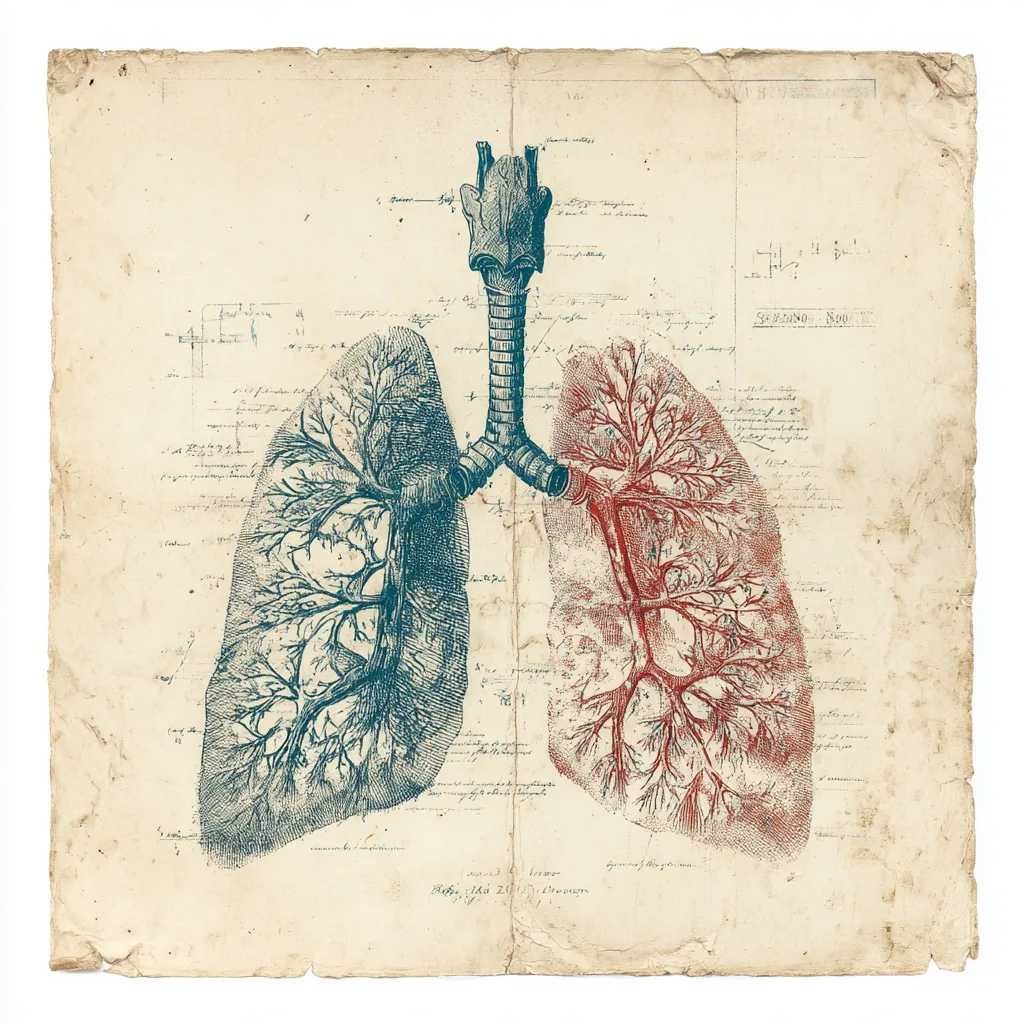
Heart with branching vessels
1

Is there a culprit blockage?

Troponin shows heart muscle injury, but the stent decision depends on ECG, symptoms, anatomy, and stability.

2

Is the heart still at risk right now?

If there is a clearly blocked culprit artery — especially with STEMI, ongoing ischemia, shock, dangerous rhythm, or a high-risk lesion — the case for PCI/stent gets stronger.

3

Will opening the artery change the outcome?

If the case is lower-risk or unclear, medical management or a second opinion may be reasonable.

About “blood thinners”

  • Aspirin may be long-term because of the heart attack itself.
  • Dual antiplatelet therapy after a stent is common, but often time-limited.
  • Bleeding risk matters and should be discussed explicitly.

Evidence cards

The Research Without the Fog

Built for fast browsing: skeptical-but-not-reckless, scientific-but-not-cold.

ACC/AHA 2025

For intermediate or high-risk NSTE-ACS, an invasive approach during hospitalization is recommended to reduce major adverse cardiovascular events. Default DAPT after ACS is at least 12 months unless bleeding risk is high.

Open source

NICE NG185

For acute STEMI, NICE recommends coronary reperfusion as quickly as possible, with coronary angiography and follow-on primary PCI as preferred when indicated and time-feasible.

Open source

Cochrane Review

For unstable angina/NSTEMI, the review is nuanced: routine invasive strategies did not show appreciable mortality benefit overall, but did reduce MI, refractory angina, and rehospitalization in the reviewed follow-up window.

Open source

NIH / ISCHEMIA

In stable ischemic heart disease, stents/surgery were not better than medication and lifestyle at reducing heart attack or death, though they helped symptoms and quality of life for some patients with angina.

Open source

Questions that cut through fear and fog

Ask These Now

A good question is not resistance. It is intelligent consent.

  1. 1

    Is this STEMI, NSTEMI, unstable angina, type 2 MI, or something else?

  2. 2

    Is there a clearly identified culprit artery?

  3. 3

    How blocked is it, and what is the blood flow?

  4. 4

    Is he unstable: ongoing chest pain, ECG changes, heart failure, shock, or arrhythmia?

  5. 5

    What benefit do you expect from a stent in this case?

  6. 6

    What is the near-term risk if we choose medical management?

  7. 7

    What exact antiplatelet plan would follow, and for how long?

  8. 8

    What is the bleeding risk, and are there ways to reduce it?

Winged caduceus emblem

The closing frame

The Clean Conclusion

Decide from anatomy and risk — not ideology.

Do not let fear of pharma make you allergic to lifesaving intervention. Do not let white coats turn uncertainty into inevitability either.

A

Lean Toward Stent

  • Clear culprit blockage.
  • STEMI or unstable/high-risk NSTEMI.
  • Ongoing ischemia, shock, dangerous rhythm, or high-risk artery.
B

Pause / Ask More

  • Lower-risk or ambiguous case.
  • No clear culprit lesion.
  • Medical management or second opinion may be reasonable.

Go Deeper

What best fits your case right now?

Resources & references below

Sources

References & guardrails

This brief is educational. Mark’s cardiology team owns the real recommendation because they have the ECG, angiogram, symptoms, vitals, labs, and bleeding risk.

Medical disclaimer

This is not a diagnosis, prescription, or substitute for the treating cardiologist. A heart attack can be time-sensitive. If Mark has ongoing chest pain, shortness of breath, fainting, shock, rhythm instability, or worsening symptoms, the hospital team’s emergency pathway matters more than this brief.